Has Mohamed Salah’s Liverpool Legacy Been Damaged Forever? A Deep Dive into the Reds Star’s Controversial Outburst
Introduction: A Legend Under Scrutiny
Mohamed Salah arrived at Liverpool in 2017 and quickly became one of the most influential players in the Premier League. Over eight seasons, he delivered goals, broke records, and helped the club lift major trophies. Yet in recent weeks, the narrative surrounding him has shifted dramatically. An explosive public reaction to being benched has triggered widespread debate: Has Salah jeopardised his legacy at Liverpool?
This debate isn’t just about on-field form – it touches on leadership, professionalism, club culture, and the evolving expectations placed on elite athletes. In this article, we’ll examine the context behind Salah’s comments, how fans and pundits have responded, and what this might mean for his future at Anfield.
Setting the Scene: Liverpool’s Tough Season
Liverpool entered the current season with high hopes, following a Premier League title win in the 2024-25 campaign. Salah was central to that success, posting exceptional attacking numbers and earning individual plaudits.
However, this season has been markedly different:
- Salah’s goal contributions have dipped significantly. Goal.com
- The team’s overall results have fallen short of title-challenging standards.
- Manager Arne Slot has experimented with tactical setups, and at times players have struggled to adapt.
In that backdrop, being left out of the starting XI for multiple matches undoubtedly frustrated Salah. Yet it was how that frustration was expressed publicly that stoked controversy.
The Outburst That Shocked the Football World
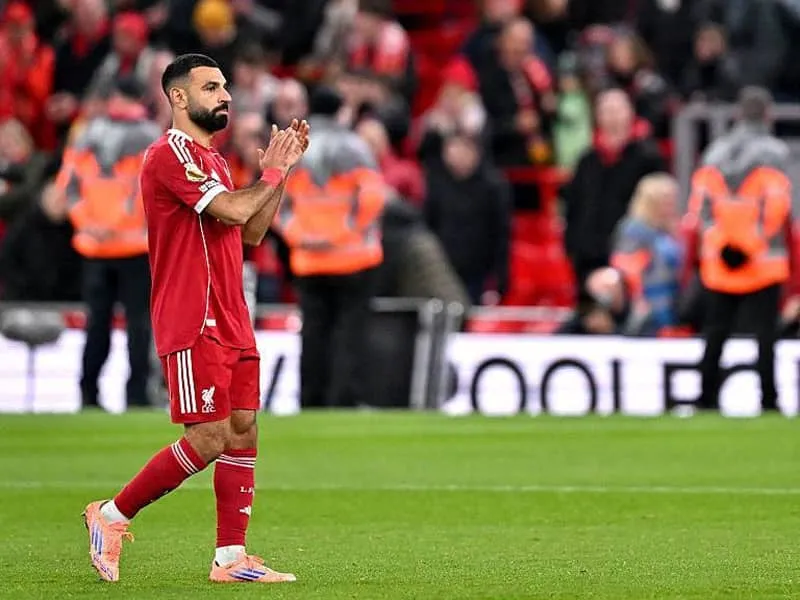
Following a draw where he started on the bench, Salah described feeling “thrown under the bus” and hinted at a deteriorating relationship with the manager. This sparked immediate backlash:
- Former players criticised the public airing of grievances.
- Fans were divided between sympathetic and disapproving viewpoints.
- Media narratives questioned whether Salah was still committed to team unity over personal status.
This is not merely a difference of opinion – public criticism of a manager by a club’s leading star touches on core principles of team harmony and leadership.
Leadership Under Pressure: What Fans Really Want?
Across forums, podcasts, and pundit panels, the discussion has repeatedly circled back to leadership. At a time when Liverpool are struggling, many expected senior players like Salah to help steady the ship, not complicate it.
Critics argue that rather than stepping up, Salah’s comments have:
✔ Shifted attention away from the team’s tactical issues
✔ Exposed rifts in the dressing room
✔ Given opponents psychological edge
Some voices have said players with vast experience should act as unifying figures, especially during turbulent periods. Others have defended Salah, pointing out that benching a player of his stature could be destabilising in its own right.
Comparisons with Historical Football Icons
Interestingly, commentators have drawn parallels between Salah’s public response and similar situations involving global superstars. One high-profile example frequently referenced was Cristiano Ronaldo’s controversial interview while at Manchester United, which many observers believe hastened his departure from the club.
These comparisons are less about equating careers and more about how public confrontation with club hierarchy can carry long-term consequences if not managed carefully.
The Manager’s Perspective: Balancing Authority and Star Power
Arne Slot has been under pressure as Liverpool’s manager, tasked with maintaining performance, integrating new players, and managing established stars. If benching Salah was a tactical decision aimed at improving team balance, the subsequent public critique complicated Slot’s position.
Two key tensions emerge here:
- Managerial Control vs. Player Ego: Modern football entails managing not just tactics, but personalities.
- Team Cohesion vs. Individual Frustration: How should a club balance loyalty to star players against collective goals?
Slot’s response has been measured, focusing on moving forward and avoiding prolonged distraction.
Fan Reaction: Divided but Passionate
Supporters’ reactions have been mixed, revealing the complexity of Salah’s standing:
Criticism
- Some fans believe anger should be channelled constructively.
- A number feel Salah’s comments prioritized personal status over team need.
- A public criticism of a coach is seen as undermining club unity.
Support
- Others sympathise with his frustration at reduced playing time.
- Loyal supporters point to his historic contributions and argue that a few poor weeks shouldn’t define a legacy.
- Some view this as a communication failure rather than a betrayal.
The polarised discourse reflects Salah’s deep emotional impact on fans: whatever your view, few remain indifferent.
Media Figures Weigh In
Prominent voices in football media have not shied away from commentary. Critics have labelled the situation “sad” and urged Salah to focus on performance rather than narrative. Supporters of the Egyptian star counter that relentless scrutiny of star players is part of modern sports culture — but that doesn’t lessen the impact of public criticism on perceptions.
What Comes Next? The Future of Salah at Liverpool
With Salah set to participate in the Africa Cup of Nations, attention now shifts to what happens when he returns. Several possible paths lie ahead:
1. Reconciliation
A period away from club football could provide space for cooler heads and renewed focus on team objectives.
2. Return and Reintegration
If Liverpool can regain form with a clearer tactical identity, Salah might refocus on collective goals.
3. Transfer Speculation
Talk of interest from rival leagues, notably the Saudi Pro League, has already begun to surface. A move could represent a fresh start for Salah — but would also mark the end of his Anfield era.
The volatility of modern football narratives means nothing is guaranteed.
Conclusion: Legacy Is Not Defined by One Moment — But It Is Influenced by It
Mohamed Salah remains one of the most important figures in Liverpool’s modern history. His extraordinary goal-scoring record, impact on the club’s success, and longevity place him in rare company.
Yet legacy is not static. It evolves with context, actions, and outcomes. A public critique at a moment of fragility will undoubtedly be remembered — but whether it overshadows his immense contributions depends on what comes next.
What is clear is this: in football, how you respond to adversity can be as defining as your triumphs.